
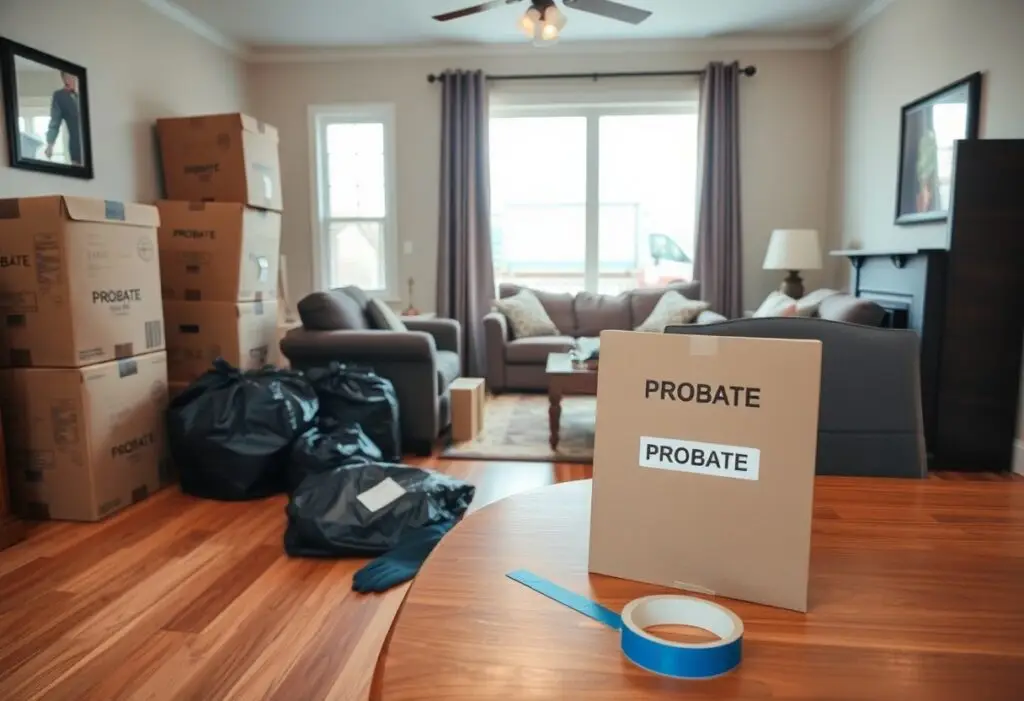
It’s possible to clean out a house during probate, but you must proceed with caution. The estate remains legally protected until the court grants authority, and removing or disposing of items too soon can lead to legal consequences. You may be held accountable by beneficiaries or the court if valuable assets go missing. While some cleaning is often necessary, full clear-outs should wait until after formal approval, unless urgent safety or maintenance issues require immediate action.
The Law of the Estate
Probate law governs every action taken within a deceased person’s estate, and unauthorized disposal of property can lead to legal consequences. You must confirm whether the court has granted letters testamentary or letters of administration before proceeding. Acting too soon may invalidate your authority and expose you to liability from beneficiaries or creditors. Each state imposes specific timelines and requirements, so adherence ensures your decisions remain legally sound. A personal representative in California, for example, cannot legally distribute assets until the court formally appoints them.
The Inventory Process
Creating a detailed inventory of the deceased’s belongings is one of your first formal duties as executor. You must document furniture, electronics, jewelry, and personal items, often room by room, to ensure transparency with beneficiaries and the court. Skipping this step or filing an incomplete list can delay probate approval and invite legal challenges. A mid-sized SaaS firm’s CFO once faced a three-month hold on estate distribution due to missing asset entries. Use photographs, serial numbers, and appraisals where necessary to strengthen accuracy.
Sorting the Belongings
Begin by separating items into clear categories: personal keepsakes, valuables, and everyday objects. Family members often assume they can take heirlooms immediately, but doing so before the inventory is complete risks legal challenges. A mid-sized SaaS firm’s CFO once delayed estate settlement by months after removing a vintage watch collection without documentation. Label each group with tags or lists, ensuring transparency among all parties. This method prevents disputes and supports a smoother distribution later.
The Risks of Haste
Clearing a house too soon after a loved one’s passing can lead to irreversible mistakes, such as discarding items with legal or sentimental value. You might unknowingly destroy documents needed for probate, like wills, deeds, or financial records. One family sold a storage unit’s contents within days, only to later discover a safe deposit key in a jacket pocket. Acting quickly may feel productive, but it often results in complications with creditors, heirs, or the court. You are legally responsible for preserving the estate’s assets until the process concludes.
The Right Moment
Timing your actions correctly prevents legal complications and emotional strain. You must wait until the court formally appoints the executor or personal representative before clearing out the house. Acting too soon, even with good intentions, risks invalidating your authority and could lead to personal liability for mismanaged assets. A mid-sized SaaS firm’s CFO once delayed a property transfer by eight months due to premature disposal of belongings, creating costly delays. Only proceed after receiving official documentation and confirming with the probate court.
Conclusion
You can clean out a house during probate, but only with court approval or the executor’s authority. Acting too soon may result in legal pushback or disputes among heirs. A mid-sized SaaS firm recently faced a month-long delay in property transfer after prematurely clearing a deceased founder’s home. Wait for formal appointment, document every item removed, and consult legal counsel to ensure compliance. Proper timing and procedure protect both the estate and your position.
FAQ
Q: Can items be removed before probate is finalized?
A: Generally, only the court-appointed executor or administrator may manage estate property. Securing the home is usually allowed, but selling, donating, or discarding items before completing the inventory or receiving approval could create legal disputes.
Q: What if the house must be cleared quickly?
A: The executor may usually clear the house after being formally appointed and completing the required inventory. Local rules may require court approval or beneficiary notice. Urgent situations may qualify for expedited approval.
Q: Who pays for cleaning and disposal?
A: Reasonable cleaning, hauling, and organizing costs are generally paid from estate funds. Keep all receipts because the expenses may be reviewed by the court.